وان اكس بيت
Performance, savings and ecological practice built into every project.
١xbet
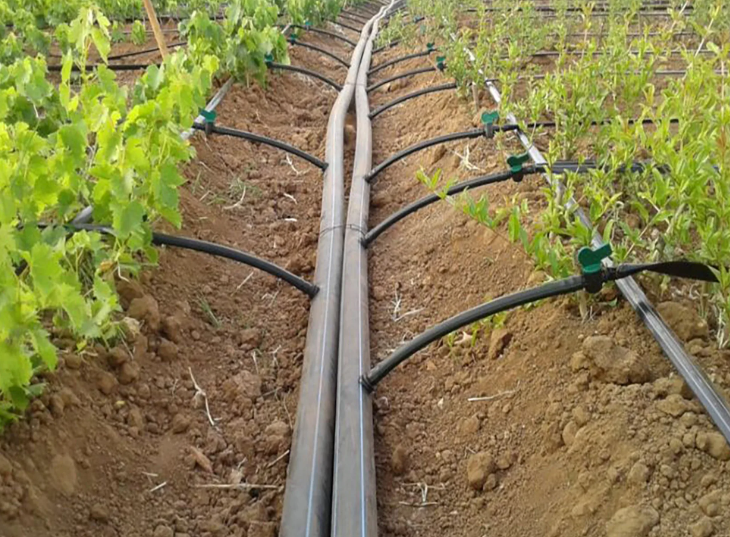
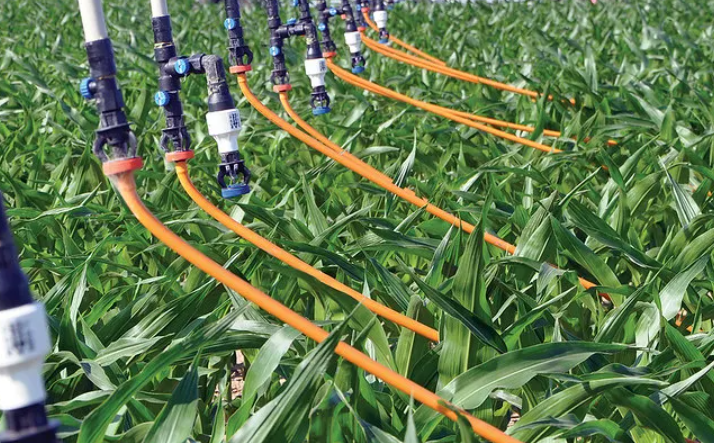
Delivering water directly to the root zone means plants receive consistent moisture without saturating surrounding soil. This precision reduces surface evaporation and runoff, and curtails weed growth by limiting water to target plants only. Systems are built with pressure-compensating drippers, micro-sprays and adjustable inline emitters so each species—whether a shallow-rooted herbaceous bed or a deep-rooted fruit tree—gets the correct dosage at the right intervals. In practice this raises establishment success rates, encourages stronger root development, and reduces stress during peak heat. For commercial plantings and intensive gardens the cumulative diminution in water use can be substantial, and for urban green roofs or limited-supply sites it becomes the difference between viable, thriving greenery and plants that require constant rescue. We document expected water savings for each installation and provide simple monitoring techniques so clients can verify performance and feel confident in the system's benefits.
1 اكس بيت
Every landscape has unique drainage patterns, slope gradients, and microclimates that influence irrigation effectiveness. Our design workflow begins with on-site soil probes, infiltration testing and a thorough survey of sun exposure and wind patterns. With these data we map emitter spacing, select appropriate lateral tubing diameters and choose the correct filtration and pressure regulation for consistent output. For slopes, we incorporate pressure-break systems and multi-zone sequencing to ensure uniform delivery; for heavy clay soils we adjust emitter intervals and durations to prevent pooling and promote deeper infiltration. That attention to context avoids common failures such as uneven watering, erosion from over-application, and premature emitter clogging. The result is a system that works with the site rather than against it, improving resilience and reducing the need for manual tweaks after installation.
ixbet
Long service life starts with choosing durable components: UV-resistant tubing, stainless-steel fittings where needed, and robust filtration to protect delicate emitters. We route mainlines in protected trenches, secure lateral lines with proper stake spacing, and incorporate easy-access flush points for seasonal cleaning. All valves and controllers are mounted in accessible enclosures so winterization or component swaps are quick and safe. Spare parts are standardized across installations to simplify future replacements and to keep inventories minimal. A proactive maintenance plan—annual flushing, filter checks, and emitter audits—keeps systems operating optimally and avoids emergency repairs that disrupt planting. Clients receive a clear maintenance checklist and a spare-parts starter kit to make upkeep straightforward.
تحميل وان اكس بيت
Automation reduces human error and allows irrigation to respond to real conditions. We integrate weather-compensating controllers, soil moisture sensors and remote-access scheduling so irrigation is applied only when needed. Systems can suspend cycles during rainfall, scale back during cool or overcast periods, and increase frequency during hot spells. For larger projects we deploy zoned sensor networks that inform staggered watering to match microclimate variation. This not only saves water but protects plants from overwatering disorders such as root rot. Remote monitoring also enables quick diagnostics: flow anomalies or sensor drift trigger alerts, reducing downtime and ensuring guides or grounds teams can intervene with targeted adjustments rather than broad, disruptive system changes.
تنزيل وان اكس بت
Because water is confined to plant roots, there is less nutrient leaching and reduced movement of agrochemicals into surrounding areas. Controlled irrigation supports beneficial microbial life in the rhizosphere and helps preserve soil structure by avoiding repeated surface saturation. These outcomes support long-term soil health and lower the frequency with which fertilizers are needed. In community gardens and environmental stewardship projects, that means healthier produce and reduced downstream impacts on waterways. We advise on complementary practices—mulching, targeted compost application, and drip-compatible fertigation—to maximize plant nutrition with minimal environmental cost.
تنزيل وان اكس بيت
Installations scale from small balcony containers to sprawling orchards. For domestic clients we focus on discreet, low-profile lines and intuitive controllers; for agricultural or municipal projects we design redundancy and easy-service access into mains and sector valves. The same design principles—right-sizing, pressure management, and filtration—apply at every scale but are implemented with different hardware and logistics. We provide project planning that accounts for future expansion: conduit runs, extra stub-outs, and central manifold sizing so systems can grow without costly rework. That foresight reduces long-term costs and allows growers and stewards to expand irrigated areas as budgets or water access improve.